



The Season That Prepares the Soil, the Plants, and the Gardener
In modern gardening culture, winter can feel like a setback — or worse, a failure. Plants stop growing. Leaves drop. Beds look bare. Productivity slows. Many gardeners feel restless, waiting impatiently for spring to arrive so “real gardening” can begin again.
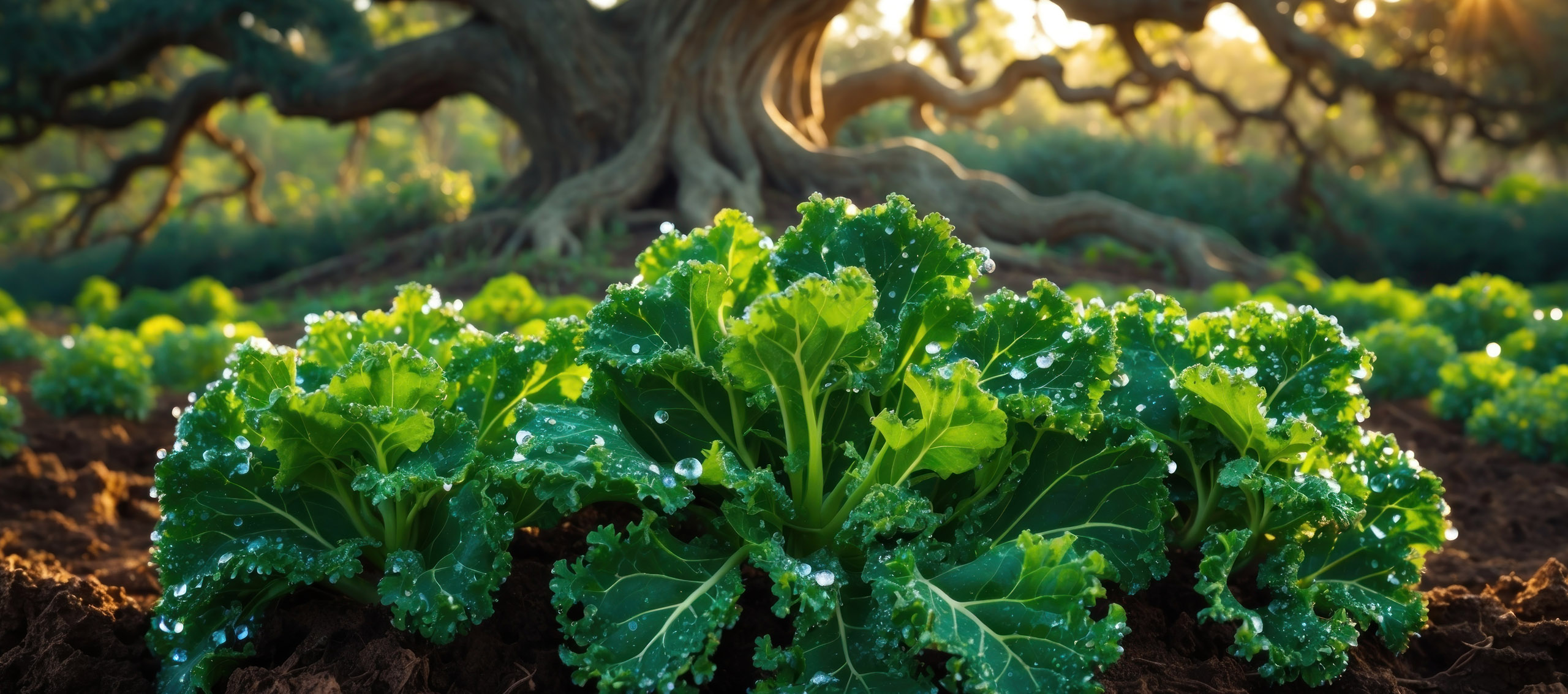
Here in Florida, winter can be a great time to grow annuals without fear of bolting, bitter flavors, or constant watering. Other than lettuce and kale, I’m not big on investing time in winter annuals, but many gardeners really enjoy this time to grow what we normally can’t here in Florida. Those who are Florida “transplants” themselves can grow the fruits and vegetables that they used to grow in the summer up north.
In well-designed food forests and natural systems, winter isn’t empty time. It’s when important work happens — quietly, invisibly, and without fanfare.
Winter Is Not the Absence of Life
In nature, winter is a necessary phase of growth — one that prepares plants, soil, ecosystems, and even humans for what comes next. Without winter, gardens lose resilience, balance, and long-term vitality.
Above ground, growth slows. But below ground, winter is full of activity:
- Roots continue to grow
- Soil organisms remain active
- Fungi expand networks
- Nutrients are redistributed and stored
In many ways, winter is when plants shift their focus from expansion to preparation.
This mirrors what happens in forests, meadows, and perennial systems across the world. Life doesn’t disappear in winter. It reorganizes. As I write this in 2026, we’ve had a tough winter. At least a third of the nights in January, and the whole first week of February dipped below freezing, and not just for a couple of hours in early morning like we’re used to, but for a solid chunk of hours. We have probably lost a substantial amount of above-ground growth.
I remain positive, hoping that the below-ground activity will save the majority of my food forest!
The Role of Winter in Plant Health
Winter Forces Plants to Rest
Rest is not weakness — it is strategy.
During winter:
- Trees stop pushing new growth
- Energy is stored in roots and woody tissue
- Growth hormones decrease
- Structural strength increases
This rest period allows plants to:
- Repair cellular damage
- Strengthen tissues
- Improve long-term productivity
Plants that never experience rest tend to become:
- Weak
- Disease-prone
- Short-lived
Even in warm climates like Florida, mild winters provide critical signals that help plants regulate growth cycles. This year, we’ll hope that not-so-mild winters bring some helpful growth, as well.
Adequate chill hours for our stone fruits ensure flowers and leaf buds open at the same time, leading to consistent, high-yield harvests. Without enough chill, trees may produce no fruit, small, or misshapen fruit that are not harvestable. So, yay winter, right?
Cold Acclimation Builds Resilience
As temperatures gradually cool, plants undergo a process called cold hardening:
- Sugars concentrate inside cells
- Cell membranes become more flexible
- Water movement slows
This process increases tolerance not only to cold, but to:
- Drought
- Heat stress
- Pest pressure
Ironically, plants that experience some cold often perform better during summer heat than those that never slow down. Again, it’s so much easier to work with nature than try to work against it.
If we take the time to observe our plants, we just might see that they have an almost magical quality…

Winter Is a Soil-Building Season
While leaves fall and beds appear quiet, soil comes alive.
Leaf Drop Feeds the Underground World
In natural systems, winter leaf fall:
- Provides carbon-rich mulch
- Feeds fungi and bacteria
- Protects soil from erosion and temperature swings
This organic matter becomes the foundation for spring fertility.
In food forests, leaving leaves in place:
- Improves moisture retention
- Builds humus
- Supports beneficial soil organisms
Bare soil in winter is a sign of interruption — not productivity. I know a former next-door neighbor thought I was nuts, covering huge areas of my backyard with mulch early on. The many mature live oaks we have in the backdrop a bounty of dry leaf matter a couple times per year, and I would often rake them into my planting areas, or simply leave them where they fell. My neighbor was appalled. “Those leaves are going to kill your grass.” (Cue inner wicked laugh.) Why, yes, they hopefully will.

Fungi Thrive in Winter
Mycorrhizal fungi often expand their networks during cool, moist conditions.
These fungi:
- Connect plant roots
- Increase nutrient and water uptake
- Improve disease resistance
- Help plants communicate stress signals
Winter moisture and cooler temperatures create ideal conditions for fungal growth, which directly benefits spring plant health.

Winter Pruning and Plant Structure
We have just enough winter temps here in Dunnellon to accumulate the necessary chill hours for a few varieties of stone fruit. I am currently experimenting with low-chill hour nectarines and peaches and I’m just beginning to get fruit. I also have a Chickasaw plum and hope to graft a few varieties of plums onto the mature tree. So far, I’ve had success with a branch of Santa Rosa.
These trees enter dormancy in fall as days shorten and temperatures drop, protecting buds from freezing while halting visible growth. Endodormancy (true or deep dormancy) prevents bud growth, even if conditions warm temporarily. The tree cannot resume growth until it accumulates sufficient chill hours. After this phase of dormancy ends, external factors like ongoing cold prevent growth. Warm spring temperatures then trigger bud break.
Without leaves:
- Branch structure is visible
- Weak or crossing limbs are obvious
- Sun and shade patterns are easier to observe
Thoughtful winter pruning:
- Encourages strong spring growth
- Reduces disease pressure
- Improves airflow and light penetration
In food forests, winter observation often matters more than winter action. Seeing how plants behave when stripped down provides insights no growing season ever will.

Winter Teaches the Gardener
Gardens are about more than just growing plants — they shape us. And even in winter, they can make an impression (or, maybe especially in winter). I need to water more in the winter, and it gives me time to observe and process this seemingly dormant season.
Winter Trains Patience
Winter counters the sense of urgency we have in the spring and summer. There is less to “do,” which can feel uncomfortable in a culture that equates movement with value. But winter invites a different kind of engagement:
- Watching light angles
- Noticing frost patterns
- Observing which plants struggle and which thrive
This patient observation leads to better decisions than constant intervention ever could. Once we understand how the seasons affect our food forests and gardens, we can work with nature better.
I struggle with the messy look. It’s hard for me to resist pruning tender plants of their frost damage. Still, it’s best to wait until after the additional risk of harm (January in South Florida or February here in North Central Florida). So the yard looks unkempt and a bit sad to me. I try to distract myself with tending to young plants in my greenhouse.
Winter Reveals Design Flaws
Cold has a way of exposing weaknesses:
- Frost pockets
- Poor drainage
- Wind exposure
- Overexposed plants
Rather than seeing winter damage as failure, it can be understood as feedback. Nature will show you where systems are stressed — and where design can improve. It’s a unique opportunity to fine-tune areas that are struggling.
I find that I have time to propagate plants indoors to use as ground covers and fillers once it warms again. I love tending these “baby” plants. It can give me that same sense of active plant production that I get in the spring and summer.
Why Winter Is Essential in Florida Gardens
In Florida and other subtropical regions, winter often feels almost unnoticeable. But even mild winters play an important role in ecosystem balance.
Winter:
- Slows pest reproduction cycles
- Reduces fungal disease pressure
- Encourages deeper rooting
- Signals plants to harden off (they adjust their cells to become cold-hardy and enter dormancy)
Gardens that never slow down often struggle with:
- Persistent pests
- Weak structure
- Excessive vegetative growth
- Reduced fruiting
Winter isn’t just a pause — it brings balance.

Winter and Flowering Cycles
Many fruit trees require cool periods to:
- Set flowers properly
- Synchronize bloom timing
- Improve pollination success
Without adequate winter cues:
- Flowering may be erratic
- Fruit set may be reduced
- Trees may exhaust themselves
This is why some years produce abundant harvests, and others don’t — even when temperatures seem similar. The quality of winter matters.
Winter as a Design Principle in Permaculture
Permaculture systems succeed because they respect cycles, not constant output.
Winter is a reminder that:
- Growth comes in waves
- Systems need recovery
- Energy must be stored before it is spent
In nature, there is no endless summer.
Food forests that honor winter:
- Build deeper soil
- Develop stronger plants
Designing for winter means designing for longevity. And the good news is, well-designed food forests require less intervention over time.
How to Work With Winter Instead of Against It
Rather than trying to overcome winter, we can:
- Mulch heavily
- Reduce disturbance
- Observe sun and frost patterns
- Protect soil life
- Avoid forcing growth
The goal isn’t activity — it’s alignment.
Final Thought
Winter is essential to growth because it creates the conditions growth depends on.
It builds:
- Strength before expansion
- Roots before leaves
- Wisdom before action
In a garden, winter is not a dead end. It is the quiet beginning of everything that follows. When we learn to respect winter — rather than try to rush past it — we grow better gardens, stronger systems, and more patient lives. And we’ll just have to trust that our food forests are resilient enough to thrive even after harsh winters!
Copyright © 2026 Fruitful Food Forestry & Lauren Lynch. No portion of the original content on this website may be reproduced, in any language, without express written consent.
Gardeners just wanna have fun.
We’ve got you covered…


Leave a Reply
Your email is safe with us.