



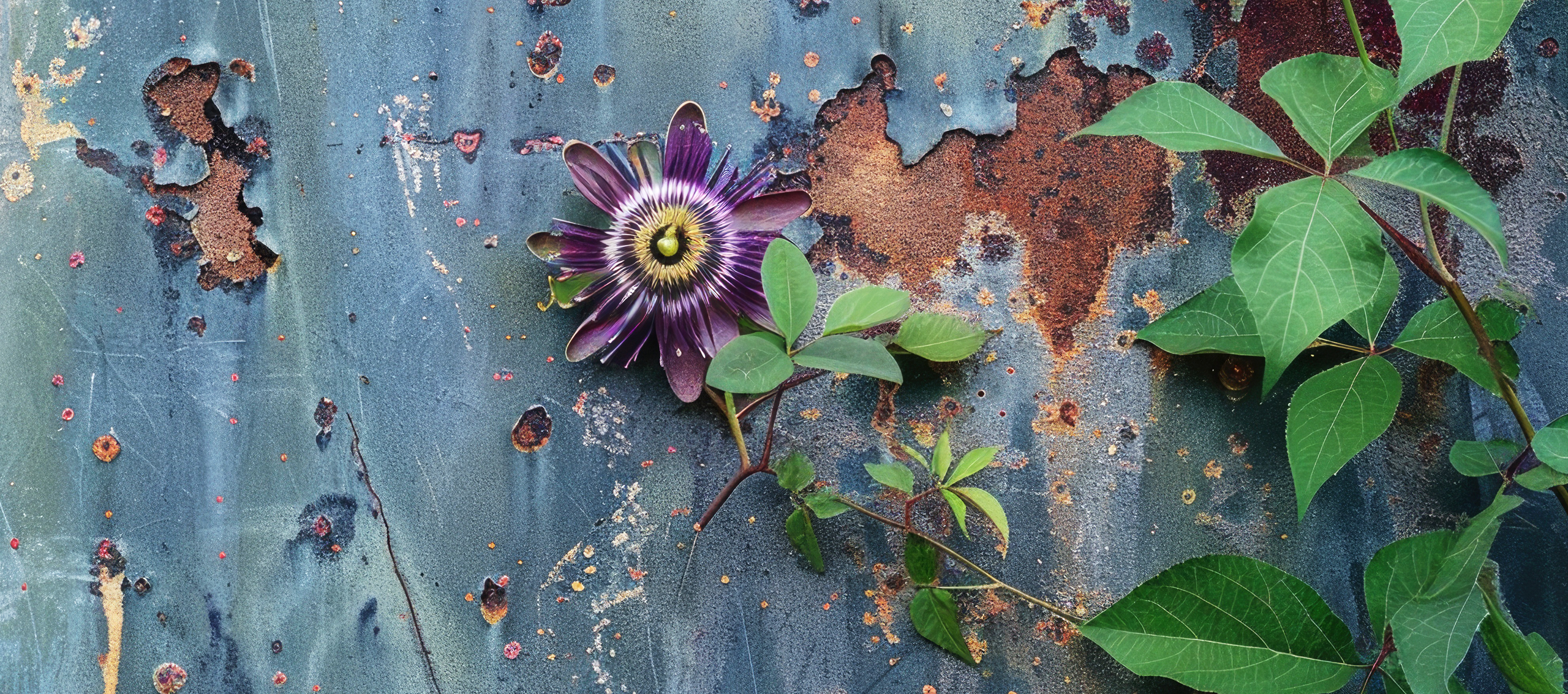
If you’ve gardened in Florida for any length of time, you already know that winter is unpredictable. One year, you’re harvesting papayas in December. The next year, a surprise freeze wipes out half the tropicals on your property. In the world of food forestry — especially when growing borderline species like mango, banana, avocado, cacao, or papaya — our design choices matter just as much as the species we plant.
The good news? Frost doesn’t affect every part of a food forest equally. Cold air sinks, heat radiates upward, and the way you layer your canopy can dramatically change the temperature under your trees. By applying strategic, permaculture-based design principles, you can build a food forest that is naturally more frost-resilient — without relying on constant intervention.
Why Frost Matters in a Florida Food Forest
Florida’s winter challenges are unique. Our freezes are:
- Infrequent but intense
- Brief (often just 4–8 hours)
- Patchy — affecting one area of your yard and not another
Most tropical and subtropical plants aren’t adapted to sudden cold snaps. Even “cold-hardy” species may struggle if they’re exposed in the wrong location. Frost can not only damage plants, but it can also harm soil biology when mulch or groundcover is sparse.
A frost-resilient design reduces the intensity of radiation frost (the kind we most commonly get in Florida) by trapping more heat near ground level and slowing the movement of cold air.
In my food forest, I have a few live oaks that create microclimate shelters for the plants growing beneath them. A peach tree growing beneath one is still leafy and green after a few days that dipped down to the low thirties, although another out in the open just a couple of yards away has only a few yellowed leaves left.

1. Canopy Density
One of the biggest differences between a frost-prone backyard and a frost-resistant food forest is the presence of a dense, layered canopy.
How Canopy Density Reduces Frost
A dense canopy helps in three important ways:
1. It slows down radiational heat loss from the soil.
On a clear, cold night, heat radiates up and out into the atmosphere like a chimney. A canopy acts like a loose “blanket,” reflecting some of that heat downward and keeping the area several degrees warmer.
2. It reduces the formation of surface frost on leaves.
Trees trap moisture, diffuse cold air, and break wind patterns that accelerate cooling.
3. It stores heat from the day and releases it slowly at night.
Trunks, branches, and leaves absorb solar energy and act as mini radiators.
The More Mature Your Food Forest, the More Frost-Resilient It Becomes
This is why mature food forests outperform young ones in extreme weather. A newly planted mango sitting alone in the lawn is extremely vulnerable. But tuck it under a light pine canopy, with a nitrogen-fixer on one side and bananas on the other, and its chances increase dramatically.
The oldest parts of my food forest are now five years old (as of 2025), and I’m amazed at how self-sufficient and low-maintenance these plants have become. Despite having some health struggles and ignoring the plants more than I would like, they are thriving.
Ideal Frost-Resilient Canopy Characteristics:
- Evergreen species (offer year-round protection)
- High leaf surface area (more heat retention)
- Multiple heights (heat stays layered — not flushed out)
- Wind-filtering but not wind-blocking (you want gentle airflow, not an open wind tunnel)
Great canopy-forming options for Florida food forests:
- Live Oak (non-invasive, classic, and wildlife-friendly)
- Loquat
- Starfruit (South and Central Florida)
- Avocado (in protected spots)
- Pigeon Pea (fast, shrubby, excellent winter biomass)
- Bamboo (clumping only)
You don’t need a closed canopy everywhere — but a strategic 50–70% coverage above your most sensitive species can make all the difference. Loquats are rock stars here in North Central Florida. These evergreen beauties require no special treatment and can protect the plants beneath them. I also love our backyard live oaks. Even though they cast a lot of shade, they provide a deep, snuggly blanket of leaf mulch for the plants underneath (and also provide a rich soil beneath) with protection from both extreme heat and cold.
2. Orientation and Cold-Air Drainage
Even if your soil, species, and mulching are ideal, bad placement can mean the difference between a thriving tropical and a shriveled stem in the morning. The orientation of your land and how air moves across it play a significant role in frost accumulation.
Cold Air Moves Like Water
Cold air flows downhill and settles in low pockets. If your land has even a slight slope, frost will distribute unevenly.
Find and Avoid Frost Pockets
I propagate longevity spinach, Brazilian spinach, and katuk regularly and spread them throughout the food forest. Not only do they provide healthy, edible greens for most of the year, but they are also great indicators of microclimates. Some will die back in winter and regrow from the roots in the spring. Make note of areas where they die back and record them for future reference and fine-tuning.
Areas where cold air collects include:
- Dips in the landscape
- The bottoms of swales
- Low areas bordered by hedges or fences
- Shaded morning zones (where plants thaw slowly)
These spots should be reserved for hardy species, such as:
- Mulberry
- Citrus
- Blueberry
- Elderberry
- Pineapple guava
- Yaupon holly
- Perennial greens like longevity spinach, Brazilian spinach, and katuk (once established).
Save your warmer microclimates for sensitive plants. Early on, I planted blueberries and elderberries in prime full-sun real estate. The ones planted in the shade are doing much better, so I may try to relocate them over time and see how they do. The area they’re taking up could be better used for heat-loving plants.
Use Southern Exposure to Your Advantage
South-facing areas receive the most winter sun. A wall, shed, fence, or rock placed on the north side of your food forest can:
- Reflect sunlight
- Radiate stored heat
- Shelter against north winds
Plant tropicals on the south or southeast side of structures, where the thermal mass keeps nighttime temperatures higher.
We bought our home here in North Central Florida before I discovered permaculture and decided to develop a food forest. We chose a house where the front has a southern exposure and a septic system fills the tiny front yard. Needless to say, it’s not useful for growing edibles.
Thankfully, we have a huge backyard with several outbuildings. I have a Nopal cactus (prickly pear) planted in a corner where a fence and the south-facing wall of a shed meet. I added some rocks around it. It’s growing quickly despite regular harvesting of the pads and easily survives light freezes without being covered, and with zero damage. Location matters!
Break North Winds — But Don’t Trap Cold Air
A semi-permeable windbreak is best, such as:
- Clumping bamboo
- Podocarpus
- Simpson’s stopper
- Dense shrub hedges
These slow down cold gusts without creating stagnant pockets where frost can settle.

3. Vertical Layering: The Secret to a Self-Protecting Food Forest
A frost-resilient food forest mimics the architecture of a young tropical forest: many layers, overlapping leaves, lots of biomass, and a living “heat trap” from top to bottom.
The Classic Food Forest Layers Work in Your Favor:
- Overstory – Oaks, large avocados, larger nitrogen-fixers
- Midstory – Loquats, starfruit, mulberries, guavas, mangoes
- Shrub Layer – Hibiscus, berries, cranberry hibiscus, Surinam cherry
- Herbaceous Layer – Lemongrass, turmeric, ginger, taro, katuk
- Groundcover – Perennial peanut, sweet potato, mints
- Root Layer – Cassava, yams, daikon
- Vines – Passionfruit, chayote, yams
Each layer insulates the others.
Why Layering Reduces Frost Severity
- Groundcovers insulate the soil, preserving warmth overnight.
- Herbaceous plants create humidity, which cuts frost intensity.
- Shrubs and midstory trees trap radiational heat, reducing the temperature drop at ground level.
- Vines add biomass, and biomass equals stored heat.
- Overstory provides the canopy “ceiling” that keeps warmth contained.
In other words, layered complexity = thermal stability.

Practical Ways to Use Layering for Frost Protection
1. Surround tender tropicals with fast-growing nurse plants.
Good winter nurse species include:
- Bananas
- Pigeon peas
- Cassava
These succumb to frost faster but create a sheltered pocket for whatever you’re really trying to protect.
2. Plant groundcovers aggressively.
Bare soil radiates heat much faster than covered soil. Options like:
- Perennial peanut
- Sweet potato
- Mints
- Oregano
- Brazilian (Sissoo) Spinach
All act as a thermal buffer.
3. Use biomass to create “insulation chambers.”
Banana clumps are incredibly useful here. A banana circle creates:
- High humidity
- Still air
- A warm micro-pocket under its leaves
Plant papayas, cacao, or edible hibiscus just inside the dripline of bananas for a significant increase in frost resilience.

Additional Structural Elements That Boost Frost Protection
You can enhance canopy, orientation, and layering with a few extra elements:
1. Water for thermal mass
Ponds, water barrels, small wildlife tanks, or even rain-filled swales radiate heat all night.
2. Mushroom logs and wood piles
Decomposing wood generates slow heat and buffers soil temperature.
3. Rocks, pathways, and hardscape
Anything with thermal mass (like stone, brick, or pavers) absorbs heat by day and releases it by night.
4. Mulch — and lots of it!
Wood chips keep roots stable and warm, especially when layered 4–6 inches deep.

Final Thoughts: Frost-Resilient Design is Long-Term Insurance for Your Food Forest
You can’t prevent cold snaps in Florida, but you can design your food forest so they sustain less damage. The key is to work with nature’s patterns:
- Build a dense, layered canopy.
- Understand and utilize orientation and airflow.
- Create a multi-layered, complex, living system that stores and releases heat naturally.
Over time, your food forest becomes a fine-tuned system of protective microclimates — a place where tender plants survive winters that would normally kill them. The more your forest grows, the more resilient it becomes — and the less work it requires!
Copyright © 2025 Fruitful Food Forestry & Lauren Lynch. No portion of the original content on this website may be reproduced, in any language, without express written consent.
Gardeners just wanna have fun.
We’ve got you covered…

Leave a Reply
Your email is safe with us.