



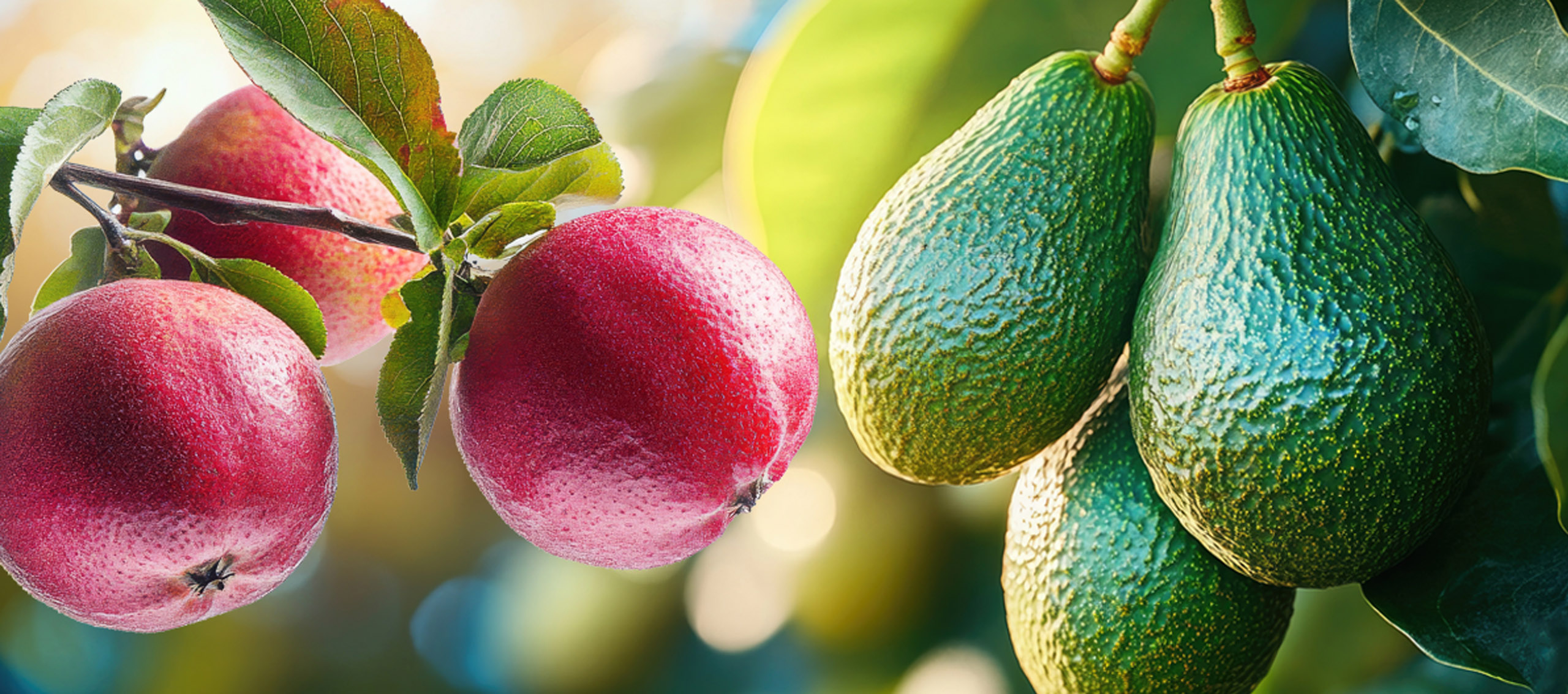
If you’ve ever dreamed of harvesting mangoes and mulberries from the same backyard system, or walking through a food forest where papayas grow beside peaches, you’re not alone. Florida — especially North and Central Florida — is uniquely positioned as a climatic crossroads. We’re warm enough to grow subtropicals, but cool enough to enjoy temperate fruits that gardeners in South Florida can only dream about.
So, if you’re lucky enough to live in my region (or someplace similar), you can create a hybrid, climate-resilient, tropical–temperate fusion food forest that blends the lushness of the tropics with the productivity and reliability of temperate fruit trees. And in Florida, where the weather can swing from the nineties or even higher in summers to occasional frosty nights, this mixed approach is not only possible, it’s smart.
I’ll share some of my experiences with this below that can serve as a general guideline for those developing a food forest in a similar environment. Every food forest or yard is different, so where I share my personal successes or failures, know that you can get different outcomes. That said, I truly believe that a food forest is a great place to experiment and push zones. Informed planning and design can give us amazingly productive results.
Why Fusion Planting Works So Well in Florida
Florida sits in a rare climatic “sweet spot” where:
- many temperate species get just enough chill to fruit
- many tropical species survive our winters with smart placement
- our long grow season supports both groups in different windows
This means we can harvest:
- berries in March
- peaches in May
- mulberries in June
- bananas in July–October
- citrus in winter
Fusion planting = continuous abundance.
And here’s the overlooked part: Temperate trees protect tropicals from frost, while tropicals protect temperates from heat and early sunscald. They support each other beautifully in a layered system.

Design Principle #1: Use Temperate Trees as Winter Guardians
Temperate trees are naturally more cold-tolerant, so they make excellent frost buffers for your tropical layer.
Plant temperate trees:
- to the north and northwest of your tender plants
- to slow cold wind
- to hold warm air in the interior of the food forest
Best temperate “frost wall” species:
- Loquat
- Mulberry (Korean, Shangri-La, Pakistan, White Shatoot)
- Persimmon
- Pineapple guava (feijoa)
- Chickasaw plum
- Southern live oak (for long-term canopy)
These species break the harshest winter winds and dramatically improve survival for bananas, papaya, and cold-sensitive tropical shrubs planted on their south side. We have several live oaks along the north side of our property that really protect the plants beneath them. Peach trees planted in the dappled light on the south side of this microclimate are thriving.

Design Principle #2: Use Tropical Plants to Shade Temperate Roots in Summer
Florida’s intense summer heat can stress temperate species like peaches, nectarines, apples, blueberries, or figs. Tropicals, however, thrive in blazing heat.
Strategically placing:
- bananas
- papayas
- cassava
- moringa
- chaya
- tithonia
- pigeon pea
…on the west and southwest sides of temperate trees gives them afternoon relief during the hottest months.
This prevents sunscald, reduces water stress, keeps soil life active, lengthens the productive lifespan of temperate fruits. This is why a tropical–temperate hybrid system is often more productive than either system alone.
Design Principle #3: Layer Both Plant Groups for Complementary Niches
A thriving fusion food forest uses all seven permaculture layers:
1. Canopy Layer (Temperate or Mixed)
- Live oak
- Pecan
- Ice cream bean (light tropical canopy)
2. Sub-Canopy Fruit Trees (Mixed)
- Loquat
- Mulberry
- Mango (in warm microclimates)
- Cold-hardy avocado
3. Shrub Layer (Mixed)
- Blueberry
- Surinam cherry
- Pineapple guava
- Barbados cherry
- Elderberry
4. Herbaceous Layer
- Okinawa spinach
- Lemongrass
- Comfrey
5. Groundcovers
- Perennial Peanut
- Sweet Potatoes
- Strawberries
- Longevity Spinach
- Brazilian/Sissoo Spinach
6. Vines
- Passionfruit
- Grapes (muscadine or Florida hybrid)
- Inca Peanut/Sacha Inchi
7. Root Layer
- Ginger, turmeric, galangal (tropical but winter-dormant)
- Cassava
- Yacon
- Sweet potatoes
- Daikon radish (in the cool season)
Each group fills niches the others don’t — and all contribute to a year-round food ecosystem.
Design Principle #4: Place Tropicals in Microclimates for Extra Heat
Tropicals need heat, protection, insulation, and late-season warmth to ripen fruit.
The best spots for tropicals in a fusion food forest are:
- south-facing walls
- near stones, pavers, or water tanks
- at the top of gentle slopes
- inside dense wind-buffered clusters
- in banana circles
These microclimates let mangoes, papayas, bananas, guavas, and cacao-like understory species survive winters that would otherwise knock them back. And, the more winters these plants survive, the stronger and more resilient they will become.
Design Principle #5: Select Temperate Fruits That Like Florida’s Short Chill Hours
Florida’s biggest challenge for temperate fruit is chill hours. Much of North Florida can get 300–500 hours, but some years, only 150–200. That’s why variety selection is everything. Here are the best temperate fruits for low-chill Florida food forests:
1. Peaches
Choose UF-bred cultivars such as:
- TropicBeauty
- UFBest
- UFPrime
- FloridaKing
- Gulfcrimson
- Gulfprince
These varieties fruit with 150–300 chill hours, making them ideal for Zones 8b–9b.
2. Low-Chill Pears
Great Florida performers include:
- Hood
- Flordahome
- Baldwin
Pear trees are tough, disease-resistant, and pair well with tropical shrubs.
3. Apples
Anna, Dorsett Golden, and Ein Shemer are all low-chill apples developed for warm climates. I’m on the fence about apple trees in Florida. A few years ago, I planted a dwarf Anna and a Dorsett apple tree. The Dorsett got leaf spot, and despite babying and copper fungicide applications, it eventually died. I planted another one the following year, but it also got leaf spot and died. The Anna has done fairly well, growing very slowly, but doesn’t currently have a cross-pollinator. I’ll probably try to graft a Dorsett branch onto the Anna.
4. Muscadine Grapes
Perfect for humidity, heat, pests, disease, and nematodes. Muscadines are hands-down the easiest and most productive grapes for Florida. They’re native to the Southeast and thrive in heat and humidity. They’re also resistant to disease, Florida pests and fungal diseases. The fruit is great for fresh eating, juice, jelly, and wine. Varieties like Carlos, Nesbitt, Black Beauty, and Southern Home thrive here.
5. Blueberries
To grow blueberries in Florida, choose low-chill Rabbiteye or Southern Highbush varieties, plant in full sun, and then create and maintain highly acidic, well-drained soil using amendments like pine bark, peat moss, and organic acidifiers, keeping them consistently moist but not soggy with rainwater. Mulch heavily with pine needles and bark, and plant in the cooler months for best results.
Top Florida-friendly picks:
- Emerald
- Jewel
- Misty
- Star
- Brightwell (Rabbiteye)
- Climax (Rabbiteye)
6. Persimmons
One of the easiest temperate fruits for Florida. They handle heat, drought, humidity, and moderate frost well. They bloom in the spring, and the fruit ripens in the fall. Astringent varieties, like Hachiya and Saijo, only become sweet when they are soft and fully ripe. Non-astringent varieties, like Fuyu and Jiro, taste sweet even when they are firm.
Best cultivars (for zones 7-10):
- Hachiya (astringent, shaped like a plum tomato, best eaten when very soft, good for baking)
- Saijo (astringent, oblong, very sweet when very ripe and soft)
- Fuyu (non-astringent, squat/round fruit, can be eaten firm or soft)
- Jiro (non-astringent, most cold-hardy, squat/round fruit, can be eaten firm or soft)
So far, I have an Ichi-Ki-Kei-Jiro that hasn’t grown particularly fast, but does produce more fruit each year (in addition to a sucker or two). The suckers seem to grow faster than the mother tree. Last year, I dug up one sucker when it was about a foot high and tried to pot and grow it in my greenhouse without success. This year, I’ve let a sucker get almost as tall as the mother tree (about 4 feet). It’s self-fertile, but if one of the suckers survives, it can increase pollination.
7. Figs
Figs can thrive in both hot summers and short winters. I have tried Celeste and Brown Turkey, but have not had luck growing them in the ground so far. Perhaps because of root knot nematodes? They just don’t grow larger. I’m not giving up yet. I have a few in the greenhouse that are doing well and may try a couple in the ground now that my soil is improved.
In Florida, try:
- Celeste
- Brown Turkey
- LSU Purple
- LSU Gold
- Kadota
8. Mulberries
Mulberries are the star of fusion food forests. They thrive in heat, tolerate frost, fruit early (even before peaches), and are great in dappled shade for a tropical understory.
Best cultivars:
- Pakistan
- Shangri-La
- White mulberry
- Black mulberry (if well-drained)

Perfect Tropicals to Pair With Low-Chill Temperates
Pair your temperate trees with tropical allies that thrive in similar conditions.
Best tropical companions:
Bananas
- great for afternoon shade
- excellent frost buffers
- build biomass fast
Papaya
- tall, airy shade
- fruits quickly
- loves being tucked behind loquats or mulberries
Cassava
- drought-tolerant
- superb summer biomass
- can act as a temporary canopy
Moringa
- heat-loving
- edible leaves
- grows fast
- excellent light shade
Chaya
- calcium-rich edible leaf
- thrives in Florida’s heat
- gentle shade for blueberries and young trees
Passionfruit
- uses temperate trees as trellises
- fruits in summer when peaches stop
This pairing strategy extends your harvest and gives you a year-round structure.

Planting Layout Example for a Fusion Food Forest
Here is a simple but powerful layout:
North/NW Side (Windbreak + Temperate Backbone)
- Loquat
- Mulberry
- Persimmon
- Feijoa
- Pine
- Oak
Middle Layer (Productive Temperate + Support Tropical)
- Peaches
- Pears
- Figs
- Blueberries
- Passionfruit vines climbing through gaps
Southern Sunny Edge (Heat-Loving Tropicals)
- Bananas
- Papaya
- Cassava
- Lemongrass
- Ginger
- Turmeric
- Chaya
- Moringa
Ground Layer
- Perennial peanut
- Sweet potatoes
- Longevity Spinach
- Strawberries
This layout protects tender plants while maximizing fruit across seasons.

Why Fusion Food Forests Outperform Single-Climate Designs
A tropical-only system in Florida can struggle with winter dieback, losing momentum every December, and may under-produce in cool years. A temperate-only system in Florida risks sunscald, fights fungal pressure, and may bloom too early during warm spells. But together, they stabilize each other.
Fusion food forests give you:
- winter crops (citrus, loquat, persimmon)
- spring crops (blueberries, peaches, mulberries)
- summer tropicals (bananas, papaya, passionfruit)
- fall harvests (guava, late figs, more bananas)
Final Thoughts: Florida Is the Perfect Place for Tropical–Temperate Fusion
You don’t have to choose between papayas or peaches, bananas or blueberries, mangos or mulberries. You can have both, and they can help each other thrive with smart design.
A hybrid system blends resilience, year-round production, climate flexibility, frost buffering, heat buffering, biodiversity, making your food forest more productive, more beautiful, and more self-sustaining.
Florida may have unusual weather, but that’s exactly why fusion planting works so well here. Build with intention, layer wisely, choose the right varieties — and your food forest will feed you in every season!
Copyright © 2026 Fruitful Food Forestry & Lauren Lynch. No portion of the original content on this website may be reproduced, in any language, without express written consent.
Gardeners just wanna have fun.
We’ve got you covered…

Leave a Reply
Your email is safe with us.