



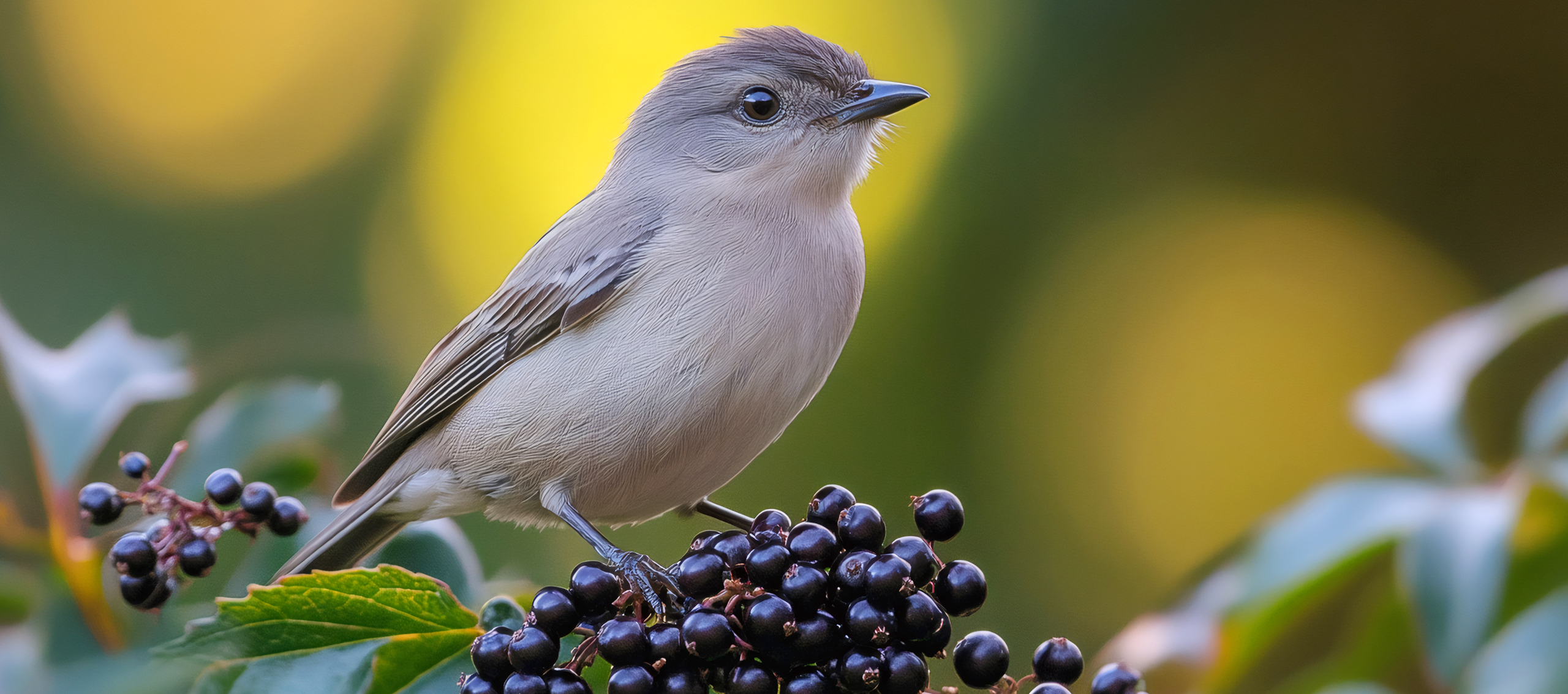
Just a couple of years ago, our quiet neighborhood, originally developed in the 1980s, contained mostly empty lots full of mature trees, bushes, and vines. Wild grapes and passionvine were prolific. Gopher tortoises, foxes, rabbits, sandhill cranes, and turkeys visited our yard regularly. Then the back of the neighborhood was cleared and developed on quarter-acre lots with very few remaining trees. Now, I rarely see the wildlife I just mentioned. Hopefully, they all relocated to the nature preserve across the highway from our neighborhood.
The two streets at the front of the neighborhood have larger lots and have reserved many of the old live oaks and native shrubbery like beautyberry and wild coffee. The one-acre lot next to us has a huge natural area with gorgeous oaks and ferns. And I developed a food forest on a half-acre lot. In it, I do all I can to attract pollinators and welcome wildlife.

Many gardeners assume that Florida wildlife has plenty of food year-round, but winter creates unique challenges:
- Insects are less active
- Flowering plants are limited
- Seeds and berries become scarce
- Cold snaps kill off food sources
- Our winter dry season limits water availability
- Habitat loss pushes wildlife into smaller spaces
Beneficial species like native bees, butterflies, songbirds, lady beetles, frogs, and lizards all rely on sheltered areas and reliable winter resources. When you support them during this difficult season, they return the favor when spring arrives—pollinating your fruit trees, eating pests, spreading seeds, and contributing to a thriving food forest.
Winter habitat-building is one of the most impactful ways to increase biodiversity and create long-term ecological health.

1. Build Brush Piles
A simple brush pile may not look glamorous, but to wildlife, it’s a five-star winter hotel. Brush piles create warm, protective spaces that offer refuge from predators, weather, and freeze events.
Benefits of Brush Piles in Winter
- Insulate small animals against cold snaps
- Provide shelter for lizards, frogs, and toads
- Create hiding spots for predatory insects
- Protect overwintering butterflies and moths
- Offer nest-building materials for birds
- Become microhabitats rich in fungal and microbial activity
How to Build a Beneficial Brush Pile
- Start with a base of large logs or thick branches to create airflow and a stable structure.
- Layer medium-sized sticks, creating horizontal “rooms” for wildlife.
- Add smaller twigs and leafy branches for insulation.
- Tuck in pine needles, palm fronds, or leaves at the top to protect from rain.
- Place near hedgerows, fence lines, or food forest edges for best use.
Pro tip:
Do NOT clear away fallen branches in fall and winter. Use nature’s debris as building material.

2. Create Winter-Friendly Water Features
Water availability drops in Florida’s winter dry season, making ponds, birdbaths, and small water dishes incredibly valuable to wildlife.
Even a tiny water source can dramatically increase pollinator activity and bird diversity in your food forest.
Best Water Features for Winter Wildlife
Small Ponds
Even a shallow 3×3 pond attracts:
- Frogs
- Dragonflies (which control mosquitoes)
- Birds
- Pollinators
- Small mammals
Add rocks, logs, or floating sticks so creatures can exit safely.
Birdbaths
Use a wide, shallow basin and keep water topped up. Place near shrubs and small trees so birds feel secure.
Bee Water Stations
Provide:
- Pebbles
- Cork pieces
- Marbles
- Shallow dishes (so bees can drink without drowning)
Mini-Wet Pockets
Create shallow depressions lined with rocks or leaf litter to catch morning dew and runoff.
Winter Maintenance Tip
Refill water often. Florida’s low humidity evaporates water quickly — even in cool weather.
3. Plant Hedgerows
Hedgerows are one of the most powerful winter habitat-building tools. In permaculture, a hedgerow is a dense, layered planting of shrubs, small trees, vines, herbs, and groundcovers that creates a living wildlife corridor.
Why Hedgerows Are Essential in Winter
- Provide berries, seeds, and nectar during food-scarce months
- Create windbreaks that warm microclimates
- Offer nesting and roosting spots
- Shelter wildlife from predators
- Support butterflies and native bees
- Connect fragmented habitats
Best Florida Plants for Winter Hedgerows
Berry and Seed Plants
- Simpson’s stopper
- Walter’s viburnum
- Yaupon holly
- Dahoon holly
- Beautyberry
- Firebush
- Elderberry
Evergreen Shrubs
- Saw palmetto
- Coontie (host plant for atala butterfly)
- Wax myrtle
- Florida privet
Vines for Cover
- Passionflower (host plant for gulf fritillaries)
- Coral honeysuckle
Design Tip
Build hedgerows on the north and west sides of your food forest to buffer cold winds and create protected interior zones.

4. Create Shelters for Pollinators: Winter Homes for Bees, Butterflies, and Beneficial Insects
Pollinators need more than flowers — they need winter shelter to survive the cold season and emerge in spring when your fruit trees bloom.
Shelter Options for Pollinators
1. Native Bee Hotels
Many native bees are solitary and overwinter in:
- Hollow stems
- Dead wood
- Soil cavities
You can support them by installing a bee hotel filled with bamboo tubes, drilled wooden blocks, or natural reeds. Place it under eaves or protected from rain.
2. Leave Hollow Stems Standing
Do NOT cut back:
- Sunflowers
- Pentas
- Tall grasses
- Mint stalks
- Echinacea
- Goldenrod
Their hollow stems shelter overwintering bees and beneficial insects.
3. Overwintering Butterfly Zones
Butterflies overwinter as:
- Adults (gulf fritillary, monarch)
- Pupae (swallowtails, skippers)
- Caterpillars (certain moths)
Protect them by:
- Leaving leaf litter
- Preserving host plants
- Avoiding insecticides
- Adding evergreen shrubs for roosting

4. Log and Snag Habitats
Old logs and standing deadwood (snags) shelter thousands of insect species, all of which feed birds and other predators.
5. Add Native Plantings
Native plants are the backbone of winter wildlife habitat. They evolved with Florida’s seasons and provide reliable resources when non-natives go dormant.
Top Native Plants for Winter Wildlife Support
Winter Bloomers (Critical for Pollinators)
- Tropical sage
- Blue sage
- Blanketflower
- Partridge pea
- Goldenrod (late fall into winter)
Winter Berries for Birds
- Beautyberry
- Dahoon holly
- Yaupon holly
- Wax myrtle
- Simpson’s stopper
- Marlberry
Evergreens for Shelter
- Saw palmetto
- Coontie
- Firebush (may stay evergreen in mild winters)
- Walter’s viburnum
- Red cedar
Host Plants That Matter
- Passionvine → Gulf fritillary
- Coontie → Atala butterfly
- Citrus → Giant swallowtail
- Milkweed → Monarchs
- Cassia → Sulphur butterflies
Why Native Plants Work So Well
Native species:
- Bloom during natural gaps
- Produce nutrient-rich berries
- Shelter local insects
- Withstand Florida’s dry season
- Support entire food-web layers
A single native plant can support dozens—or even hundreds—of beneficial species.
6. Leaf Litter, Mulch, and “Messiness”: The Secret to Winter Survival
Many of Florida’s most helpful species overwinter in what looks like a garden “mess”:
- Leaves
- Dead stems
- Twigs
- Bark
- Mossy logs
- Mulch
Instead of cleaning everything up in the fall, embrace strategic messiness.
Leave Leaves on the Ground
Leaf litter shelters:
- Fireflies
- Moths
- Larvae
- Beetles
- Spiders
- Salamanders
- Frogs
All of these are part of the pest-control team.
Let Seedheads Stand
Goldfinches, wrens, cardinals, and buntings rely on seeds when insects vanish.
Keep Mulch Thick
Mulch buffers soil temperature and shelters insects and fungi that help your food forest thrive.
7. Provide Winter Food for Birds: The Original Pest-Control Army
Birds are some of your best winter allies. They eat:
- Caterpillars
- Beetles
- Aphids
- Snails
- Grasshoppers
- Mosquito larvae
- Small rodents
By feeding them naturally, you support a healthy ecosystem.
Best Winter Food Sources to Plant
Seed Sources
- Sunflowers
- Native grasses
- Black-eyed Susans
- Blanketflower
Berries and Fruits
- Beautyberry
- Yaupon holly
- Elderberry (late-season fruit)
- Simpson’s stopper
- Surinam cherry (non-native but widely used by wildlife)
Nectar Plants
- Firebush
- Tropical sage
- Mexican sunflower (Tithonia)
Fruit left on trees
Birds appreciate:
- Loquats
- Mulberries (early-season)
- Papaya scraps
- Banana peels (for butterflies, too)

8. Frost-Friendly Habitat Construction
Cold snaps happen, even in Florida. Habitat can be designed to be frost-resilient.
Add Thermal Mass
- Rock piles
- Logs
- Water barrels
- Thick hedges
These radiate heat at night and create warm micro-pockets.
Use Windbreaks
Hedgerows, bamboo groves, and dense shrubs reduce frost risk and provide shelter for birds and insects.
Create South-Facing Warm Zones
Stone walls, fences, and buildings can reflect sunlight into winter habitat areas.
Final Thoughts: Winter Habitat Building Creates an Abundant, Wildlife-Rich Food Forest Year-Round
In permaculture, we recognize that every season plays a unique role in the ecosystem. Winter is not a dormant time — it’s an opportunity to build resilience, support biodiversity, and create refuge for the species that make our food forests thrive.
By intentionally adding:
- Brush piles
- Water features
- Hedgerows
- Shelters and nest sites
- Native plantings
- Winter food sources
- Frost-protected microhabitats
— you strengthen your land’s ecological web from the soil up.
Food forests that nurture wildlife in winter will reward us in spring with healthier trees, more pollinators, better pest control, and a thriving, interconnected ecosystem.
Copyright © 2025 Fruitful Food Forestry & Lauren Lynch. No portion of the original content on this website may be reproduced, in any language, without express written consent.
Gardeners just wanna have fun.
We’ve got you covered…


Leave a Reply
Your email is safe with us.